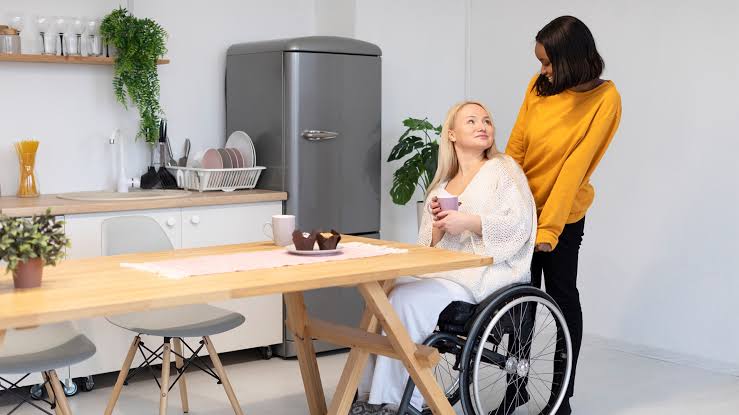
Supported accommodation now plays a larger role than housing alone. For many National Disability Insurance Scheme (NDIS) participants, the right home affects sleep quality, stress load, mobility, continence routines, and social confidence. Families and planners are paying closer attention to how each setting supports privacy, safety, and daily rhythm. That shift reflects a simple fact: living arrangements can either steady a person’s health and routine, or place strain on both.
More Than a Place to Stay
Current discussion around supported accommodation Melbourne usually focuses on daily function, rather than placement alone. Participants may need brief stays, medium-term housing, or shared homes with regular assistance. Each setting can influence transport, appointments, sensory comfort, and household stability. Viewed that way, accommodation becomes part of care planning because the home environment affects the routine from morning transfers to evening rest.
Daily Living Comes First
For most participants, the first test is whether ordinary tasks are manageable. Assistance may cover showering, dressing, meal preparation, medication prompts, or domestic chores. Reliable routines often reduce agitation and conserve energy throughout the day. Privacy also matters for dignity and emotional regulation. Small decisions, such as preferred bathing times or food choices, can strengthen control and make support feel respectful, rather than intrusive.
Safety Without Losing Choice
A safe home should protect health without removing agency. Good services balance supervision with freedom, so risk controls do not become unnecessary restrictions. Accessible entries, call systems, and clear response plans can reduce the likelihood of injury and family concern. Personal choice still needs room. Residents should remain able to decide who visits, how evenings are spent, and which routines feel comfortable inside their own space.
Different Housing Types Serve Different Needs
Accommodation under the scheme is not one single model. Short stays may help during carer breaks, recovery periods, or planned transitions. Medium-term housing can bridge gaps before a longer arrangement begins. Supported independent living may suit people who need ongoing assistance in a shared or individual home. Fit matters more than the label because the wrong setting can disrupt sleep, behaviour, and household relationships.
Accessibility Shapes Everyday Comfort
Physical design often decides whether a house truly works. Step-free entry, wider doorways, accessible bathrooms, and safer flooring can lower strain during transfers and movement. Thoughtful layouts also help workers assist without crowding personal space. Comfort is practical, not abstract. When a resident can reach the kitchen, toilet, bed, or shower with fewer barriers, the day usually goes more smoothly and with less fatigue and frustration.
Location Has a Real Impact
The address can affect routine as much as the building itself. Nearby clinics, pharmacies, shops, green space, and transport links make planning easier for residents and carers. Good location choices may reduce missed appointments and social isolation. Local familiarity also has value. Regular contact with known services and community spaces can support orientation, confidence, and steadier participation in ordinary life.
Staff Approach Changes the Experience
Buildings set limits, yet staff behaviour sets the tone. Workers who communicate clearly, respect boundaries, and notice sensory or emotional cues often create calmer homes. Consistency matters because familiar support can help residents feel secure during personal care, meals, and transitions. Experienced staff may also spot early changes in mood, continence, pain, or mobility, allowing concerns to be addressed before they become harder to manage.
Families Look for Reassurance
Families often assess accommodation through trust, communication, and visible standards of care. They want to know support is dependable, respectful, and responsive when needs change. Regular updates can ease strain during a move into a new home. Clear discussion about routines, funding limits, and staffing levels also prevents confusion. Reassurance grows where expectations are realistic and day-to-day care remains steady under pressure.
Better Outcomes Depend on Fit
Good outcomes usually stem from close personal fit, rather than impressive paperwork. A property may appear suitable, yet still miss a participant’s sensory profile, communication style, or support intensity. Careful review should consider house dynamics, mobility needs, routine, and future goals. When accommodation aligns with how someone actually lives, gains in confidence, participation, and stability are far more likely to hold over time.
Conclusion
Supported accommodation now sits at the centre of participant wellbeing. It can influence physical safety, emotional regulation, independence, and connection well beyond the front door. Strong options respect personal choice while providing dependable support for everyday living. As housing expectations continue to rise, careful matching of home, support, and routine will remain essential for healthier days, steadier progress, and more secure long-term outcomes.